


“Therefore I will boast all the more gladly of my weaknesses, so that the power of Christ may rest upon me. For the sake of Christ, then, I am content with weaknesses, insults, hardships, persecutions, and calamities. For when I am weak, then I am strong” (2 Corinthians 12:9-10).
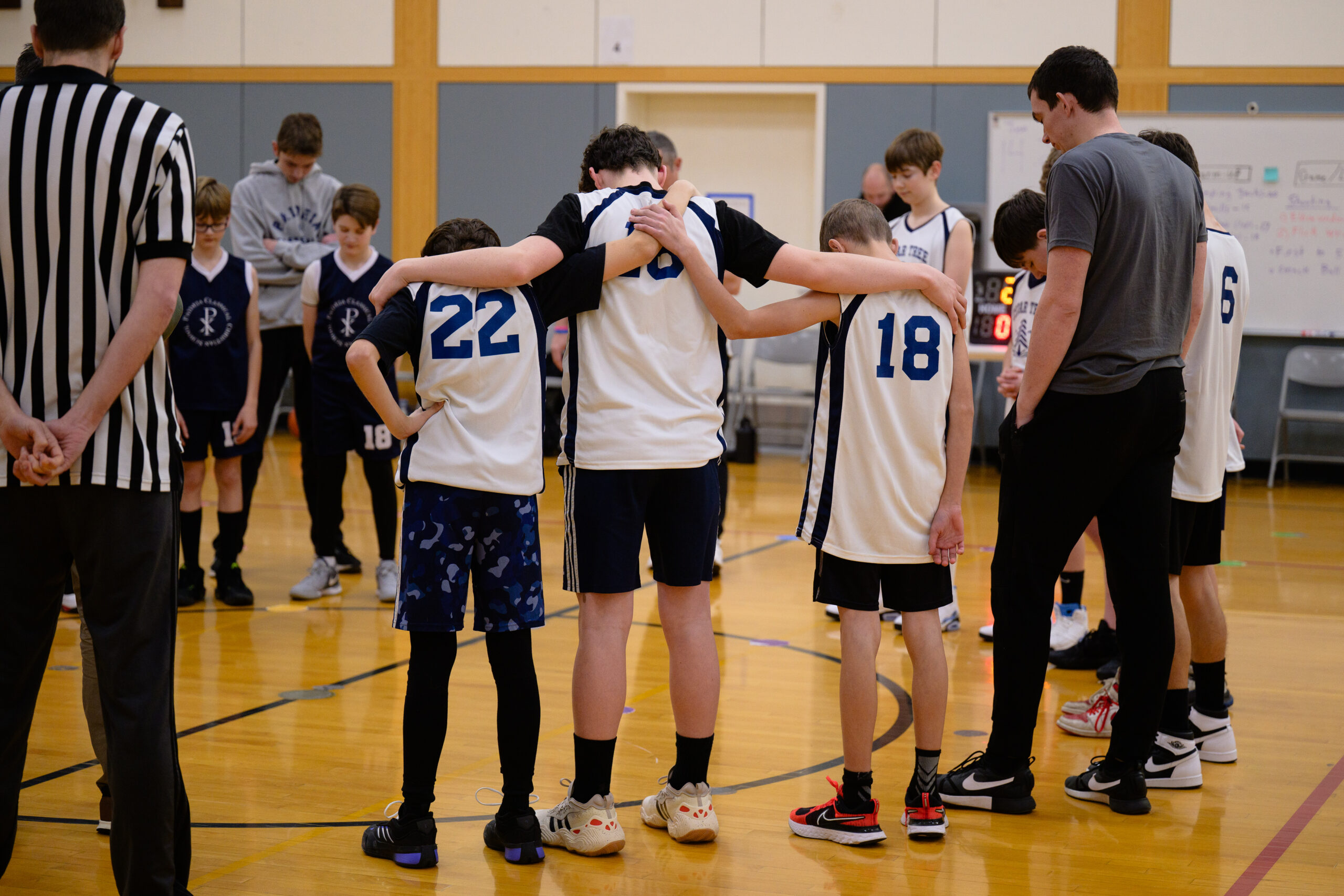
Having been required by my parents to participate in a wide variety of team sports throughout childhood years, I quickly found that whether the sport was baseball or soccer or basketball … I was inevitably the second to the worst player on the team. (Somehow, there was always a single player who was certifiably worse at the sport than I was … and I was always very thankful he never quit the team.) That meant, for example, playing a portion of the second quarter of basketball games or the third inning of the baseball game-the time universally agreed upon by all youth coaches to put their scrubs in.
By any objective analysis, it was many years before I was able to contribute to any team victories and enjoy any measure of success or self-esteem on the athletic front. So why would my parents keep requiring me to go through these ongoing exercises in humility and frustration? Did they not realize they were setting me up for failure? The short answer is that they were devoted to seeing the development of godly character. They held to a once-commonly embraced perspective that challenges, hardship, embarrassment, and especially failure form an indispensable crucible for the formation of perseverance. My parents were more interested in cultivating responsibility and reliability for a lifetime than my painful feelings at the time.
Difficult academic expectations work the same way. While achieving a high grade can be quite satisfying, the work required will have more long-term consequences. Over time, students improve their capacity to assess situations, identify problems, and come up with practical solutions. It is only by struggling that we can learn to persevere. Protecting our children from failure means we miss out on the best opportunities for cultivating time management, organization, and determination. These are life skills which go far beyond academic settings.
An invaluable way to equip children for a lifetime comes through persistence. Provided we aren’t embittered or looking to escape, we find that tasks which seemed borderline impossible can become opportunities to improve trust and strength. Possibilities for growth show themselves in ways never possible if our primary goal is avoiding pain. Frankly, I learn a lot when I am confronted face to face with my weaknesses. It helps me to persevere against all odds. It helps me to appreciate the grace of God and the power of Christ. It helps me to develop genuine humility. It helps me to be more patient with others. It helps me to be a more trustworthy servant.
I am weak, but He is strong.
Tom Bradshaw has been serving as Cedar Tree’s headmaster since 2006. This article was first published in 2025.
